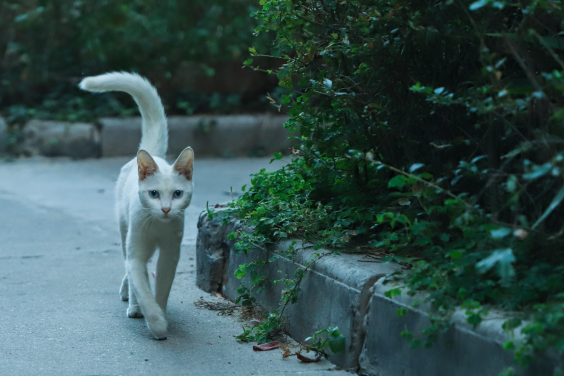
6 Realities for Roaming Cats
If you’re part of our cat community, we know you’re the kind of person who really cares about keeping their cat safe and happy. That’s why we want to let you know about these 6 risks for an outdoor roaming cat that you may not be aware of:

1) Traumatic Injury
With more roadways and increased traffic, the risk of being hit by a car is a real possibility. This could happen close to your home but cats often roam further from home than we think and may also cross busy streets. Cats can also engage in other risky behaviours such as investigating storm drains, eating potentially dangerous substances and interacting with other animals and unfamiliar people. The risk of harm from other animals, including dogs and other cats, is also a harsh reality.

2) Disease and parasites
Roaming increases the exposure of your cat to parasites such as ticks and fleas and common feline diseases such as cat flu, ringworm, and Feline Immunodeficiency Virus (FIV). Toxoplasmosis is also a concern as cats play a role in the lifecycle of the parasite that can be transmitted to others, including humans, sheep, and wildlife.

3) Poisoning
Many sources of toxins are common in gardens including plants (such as lilies), pesticides, and the risk of being bitten by venomous snakes and spiders. If your cat is hunting, they risk eating a mouse or rat that has ingested rodent poison, this can in turn poison your cat and put their life at risk.

4) Getting Lost
Cats are naturally curious and love exploring but may end up getting lost in unfamiliar territory or accidentally locked in neighbours’ garages or sheds. They may even be mistaken as a stray and be impounded by local council.

5) Interacting with undesexed roaming cats
If your cat is undesexed and freely roams, they may be contributing to the unwanted cat population in your community. Cats can reach puberty and have kittens much earlier than expected (they get pregnant as early as four months of age!) Desexing your cat will also reduce their desire to roam, which can help you to keep them happy and safe indoors.

6) Exposure to weather extremes
Cats may get caught in extreme weather events while roaming—including thunderstorms, frost, and harsh sun and heat. The risk of skin cancer for cats out in the sun can be high, especially for light-coloured cats.
Keeping your cat at home is becoming increasingly popular amongst cat parents concerned about the dangers of the big wide world. With an enriching indoor environment or contained outdoor access, your cat can live a longer, healthier life.
*These tips were compiled from resources by RSPCA, SPCA, and ASPCA.
Read RSPCA’s guide to Keeping Your Cat Safe and Happy at Home for more tips.