How to create an ideal environment for your cat
Your feline friends need more than just shelter, food and a clean litter box to have a fulfilling life. Cats also need a welcoming and enriching environment that makes them feel comfortable and safe while also allowing them to safely express natural behaviours.
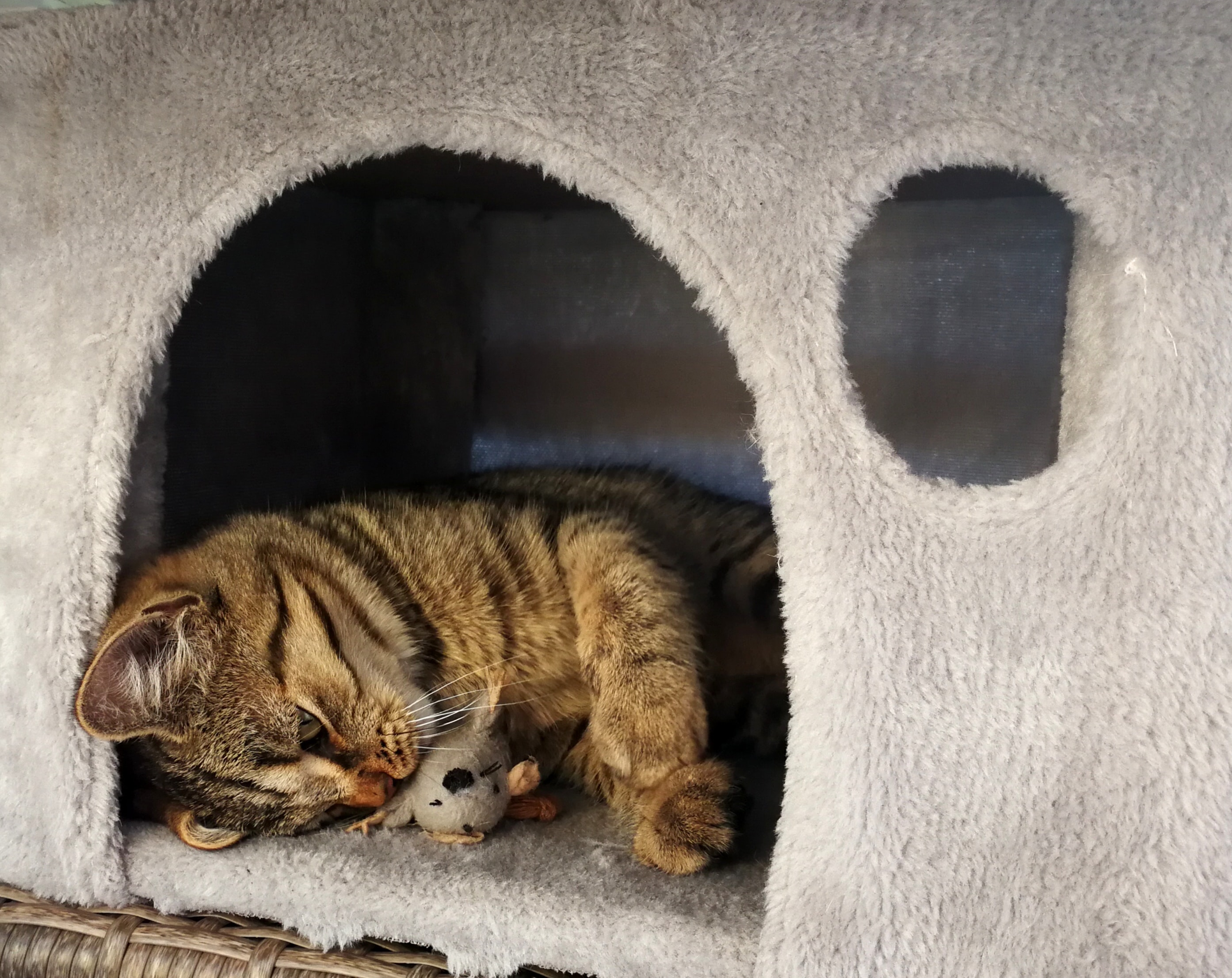
Here are 6 ways you can create the purrfect sanctuary for your cat:

1. Provide a safe and secure place to hide
Hiding is a natural coping behaviour for cats. Cats often hide when they’re anxious, scared or if they just want some alone time. You can create an enriching environment for your cat even in the smallest of homes by providing cat-sized spaces throughout your home. Providing a tall vertical space such as a cat tree, hammock, shelf, or perch and providing a horizontal space such as a three walled cardboard box helps to create spaces to hide and rest. These horizontal and vertical spaces should be placed in a safe quiet space where your cat can retreat to.
Cat hack: Try leaving spaces in the bottom of bookshelves and in the corner of closets for your cat to nap in. The more of these cat-friendly spots you provide the happier your cat will be, and while your house may feel small to a human it will feel a lot bigger to a cat. Just make sure that your cat cannot become trapped in the space, for example prop open the closet door so that it cannot accidently close and trap your cat inside.

2. Provide a space to scratch
Scratching is a natural behaviour for cats. Cats scratch to stretch, exercise specific muscles, scent mark, groom, play and to express happiness. If you don’t like the ‘distressed’ look your cat gives your furniture, you can provide your cat with a scratching post. If you’re on a budget or are feeling creative, check out this DIY scratching post tutorial from RSPCA Qld. Feeling lazy? There are a wide range of commercial scratching posts available to fit a range of needs and aesthetics.
Cat hack: Some cats have strong substrate preferences, so you may have to experiment a bit with materials for your scratching post.

3. Provide opportunity for play
For cats, playing and engaging in predatory behaviour is a natural behaviour, so creating an environment in your home where your cat can safely simulate this behaviour is very important for their wellbeing. Cats are very intelligent animals and will get bored and unhappy if they are not provided the opportunity or space to exercise, climb and play. Encourage safe play by keeping a wide variety of toys, and dedicating time every day to play with your cat. Foraging behaviour can also be encouraged by taking a part of your cat’s daily food ration and hiding it in spots around your house so your cat can then go and ‘hunt’ for it.
Cat hack: Cats can habituate to toys after three short sessions, so rotate through different cat toys as often as you can. Changing the colour of the toys can also help

4. Provide safe and secure resources
Cats can feel vulnerable while eating, drinking or toileting, so it is important to ensure that your cat can feel safe and secure by giving them quiet safe areas where they will not be disturbed or startled. Allow your cat to eat, drink and toilet worry-free by placing all litter trays, food and water bowls in safe and quiet places around your home. Much like humans, cats prefer to eat and toilet in different areas, so keep your food/water bowls and litter trays in different areas of the house.
Cat hack: If you have more than one cat ensure you provide access to resources without competition. This usually means you should have one litter box per cat plus one extra. The same goes for food and water bowls, hiding places, beds, scratching posts etc.

5. Provide an ideal environment for your cat’s sense of smell
A cat’s sense of smell is 15 times stronger than a humans. This strong sense of smell comes in handy when hunting and to perceive potential threats. Respect your cat’s powerful sense of smell by avoiding using products that will disrupt their normal scent cues. Owners can do this by avoiding scented cat litter and by not cleaning areas that have been facially marked by your cat. Make a note of where your cat rubs their face, side or tail and try to avoid cleaning these spots.
Cat hack: Cats dislike certain smells—especially citrus—so avoid scented air fresheners and carpet cleaners in their spaces

6. Provide positive and consistent human interaction
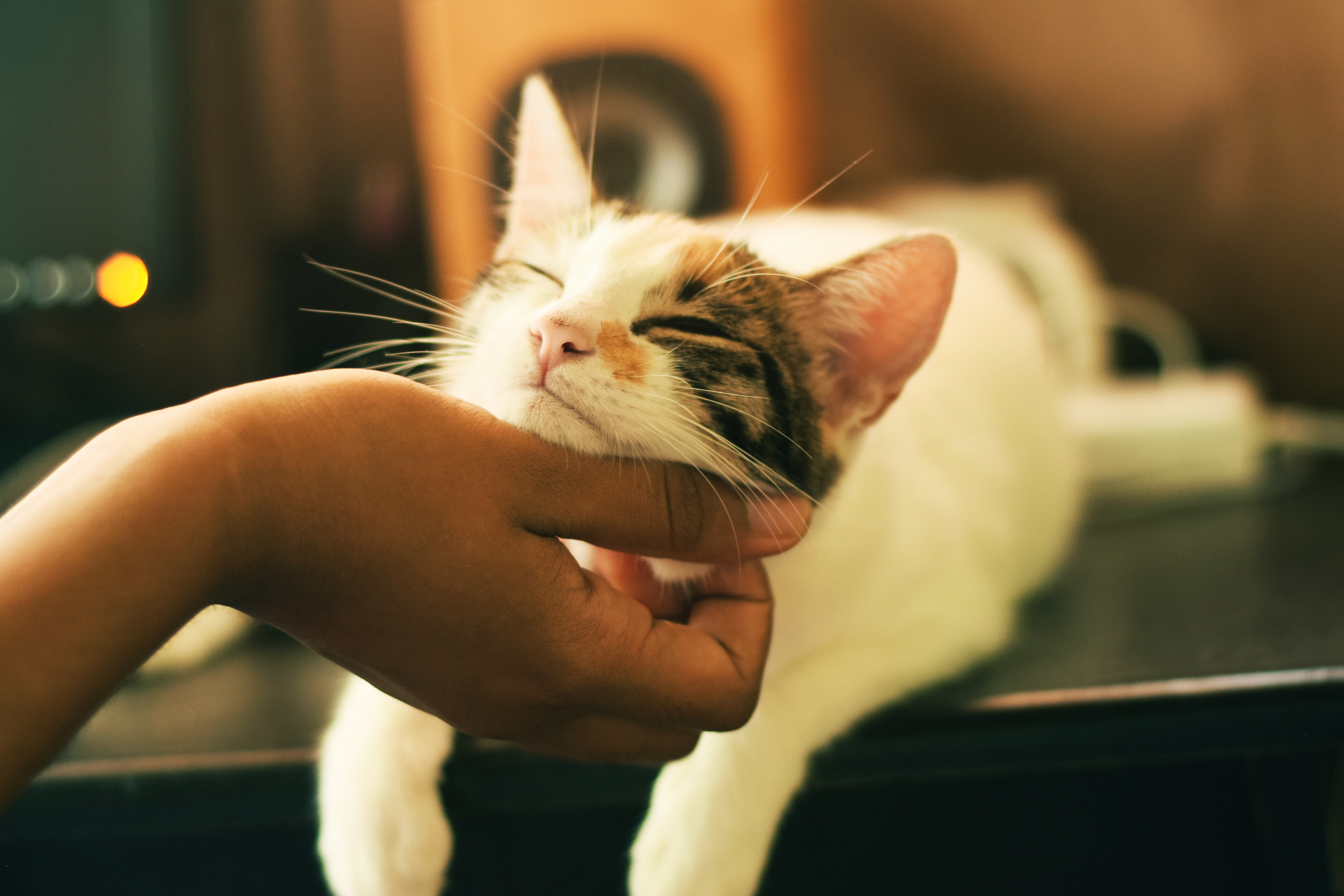
Remember that you are a part of the enriching environment you create for your cat, so put in effort to build a positive relationship so that your cat can feel safe and comfortable around you. Consistent, positive, and predictable everyday interactions will help your cat become more comfortable around you. Many cats will also benefit from engaging in play sessions with their people as a way to establish and maintain their bond.
Note: All play sessions should be fun for all involved and never forced.
Interested in learning how to provide the best quality of care for your cat so that they can thrive?
Read about best practice in cat welfare, health, nutrition, and behaviour.
*These tips were compiled from resources by RSPCA and SPCA.
Read RSPCA's website Keeping Your Cat Safe and Happy at Home for more paw-some tips.