International Day for Biological Diversity
The 22nd of May is the International Day of Biological Diversity, a global reminder of the importance of protecting the variety of life on Earth.
Across the ZAA community, conservation action is happening every day. To mark this occasion, we are spotlighting some of the incredible work our members are delivering for species recovery and biodiversity conservation.
From critically endangered parrots to reptiles thought lost to science, these stories highlight how local action is contributing to global conservation outcomes.
Zoos Victoria and the Grassland Earless Dragon
Auckland Zoo's focus on Lizard Conservation
Moonlit Sanctuary and the Orange-bellied Parrot
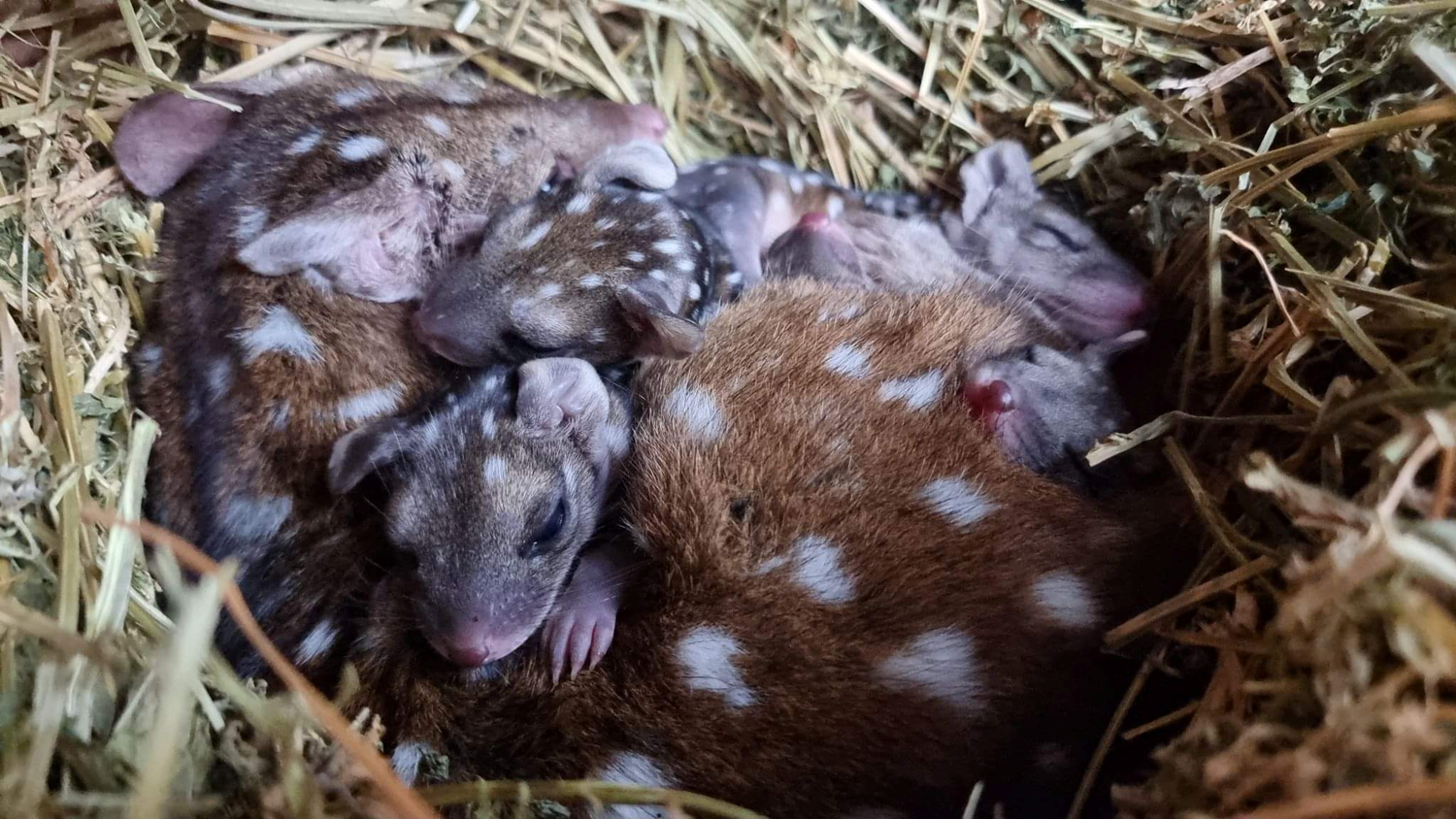
Taronga Zoo’s Chuditch (Western Quoll) Breed for Release Program
Currumbin Wildlife Sanctuary and Tinker Frog Conservation
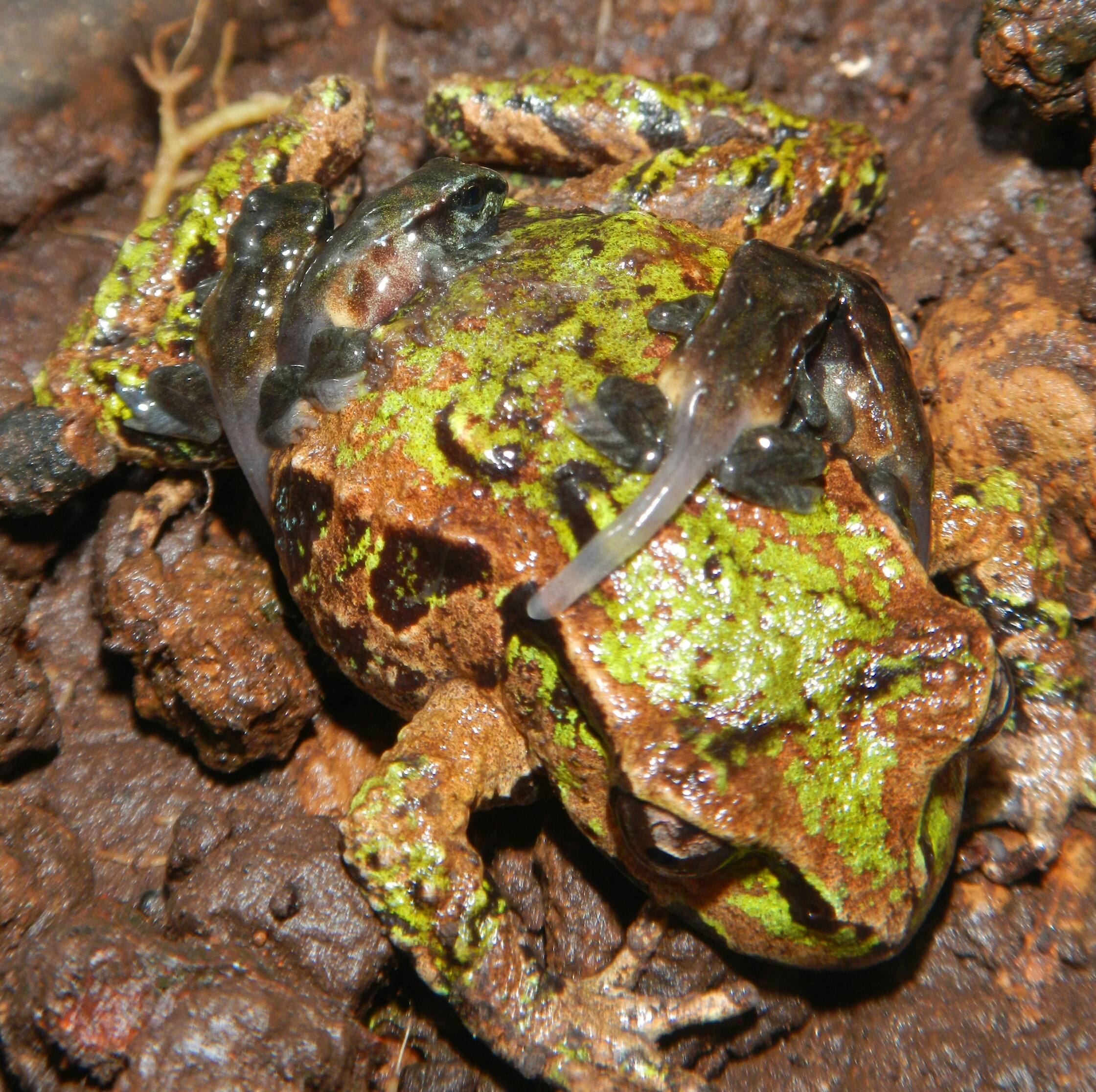
Auckland Zoo and Archey's frog
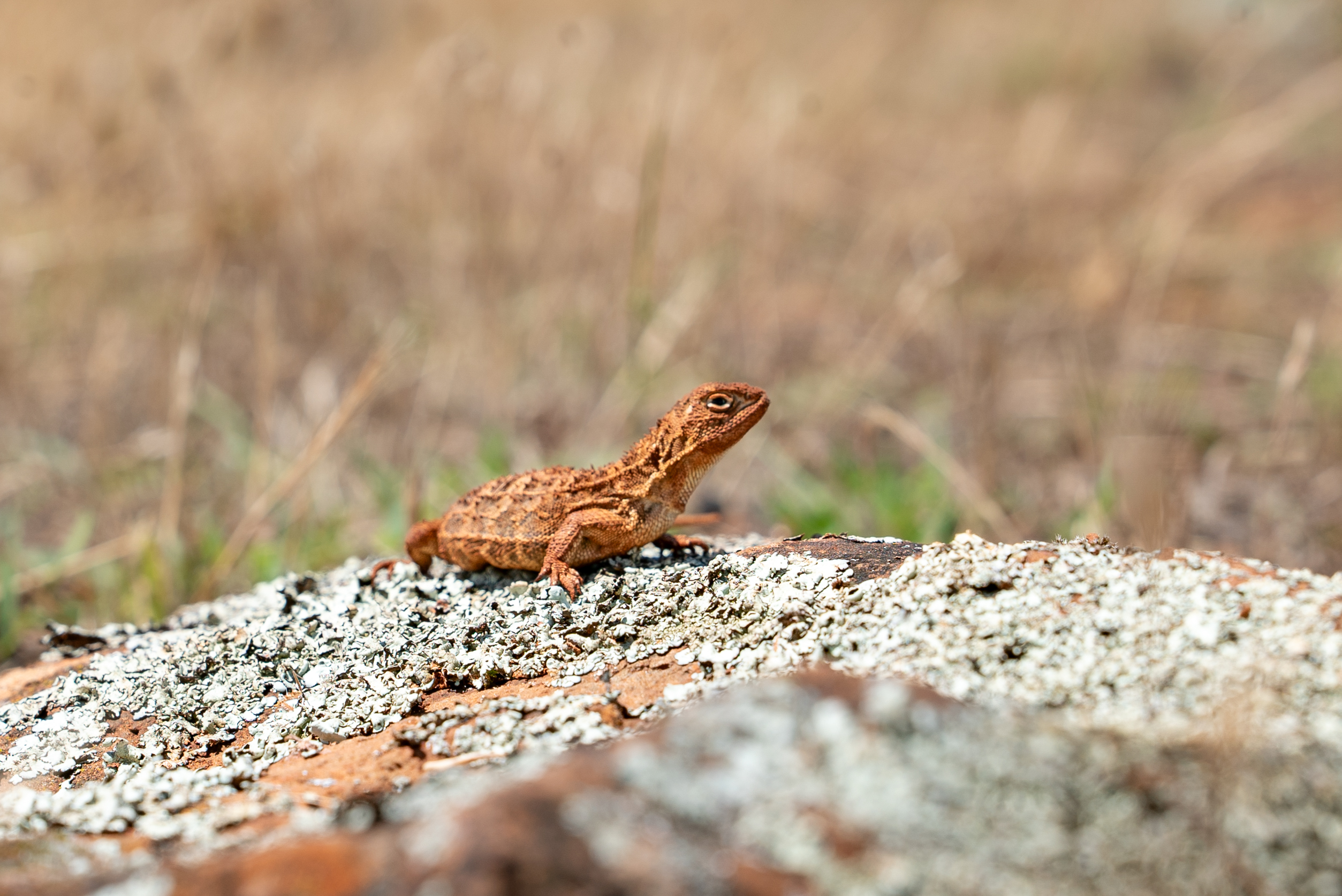
Since rediscovery of the Victorian Grassland Earless Dragon west of Melbourne in 2023, Zoos Victoria and the species recovery team have been working to protect the last remaining known population.
Melbourne Zoo now operates a conservation breeding program where specialist keepers are working to breed up a genetically robust insurance population that will contribute to future wild releases.
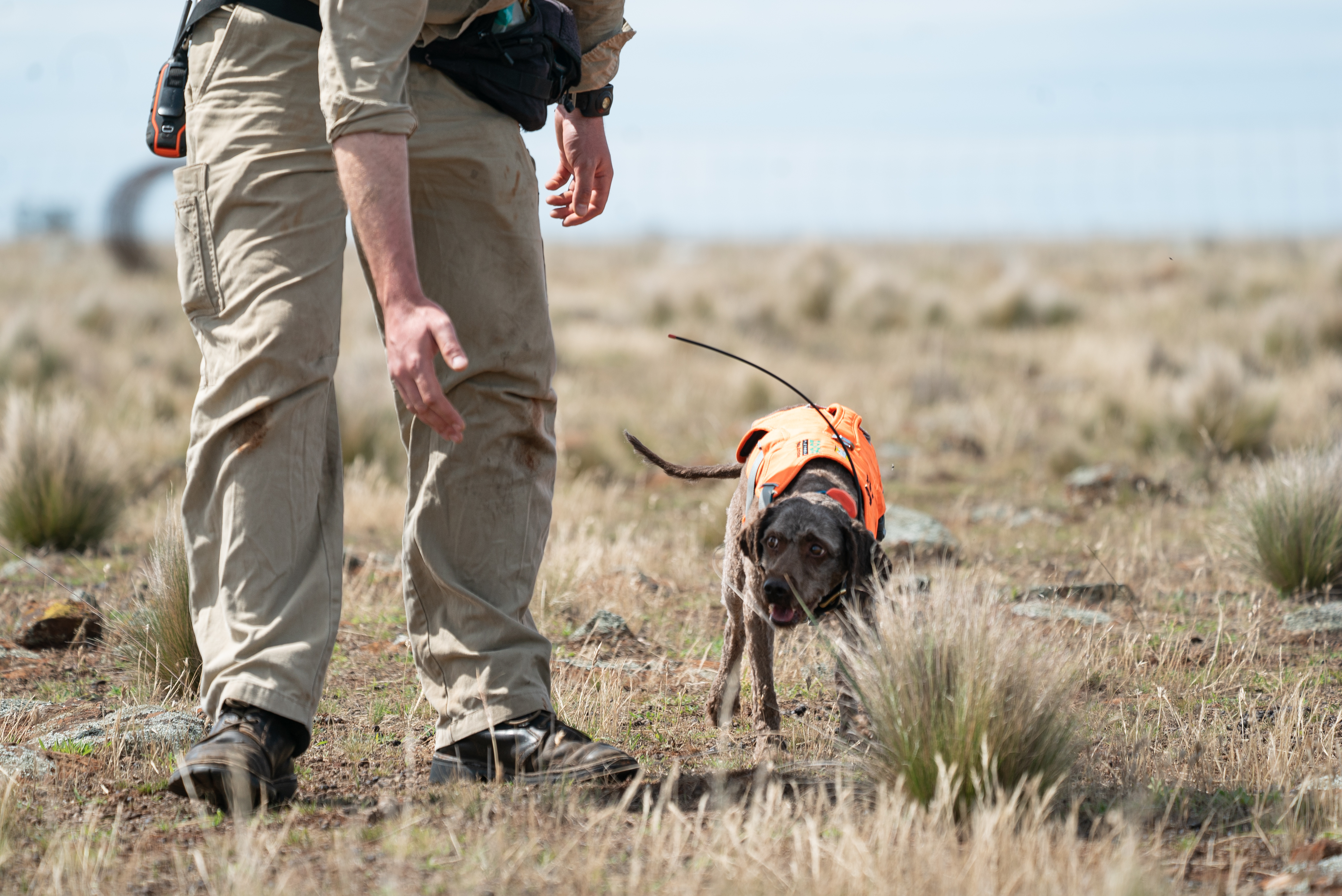
Zoos Victoria's Wildlife Detection Dog squad, supported by the National Environmental Science Recovery Program Resilient Landscapes Hub, has trained to successfully identify the Victorian Grassland Earless Dragon at the rediscovery site with the hope of finding additional populations. The dogs have also been tested to identify two additional species (Monaro and Canberra), proving they are able to generalise detections. This may help the detection dogs rediscover the Bathurst dragon, which has not been detected in decades.
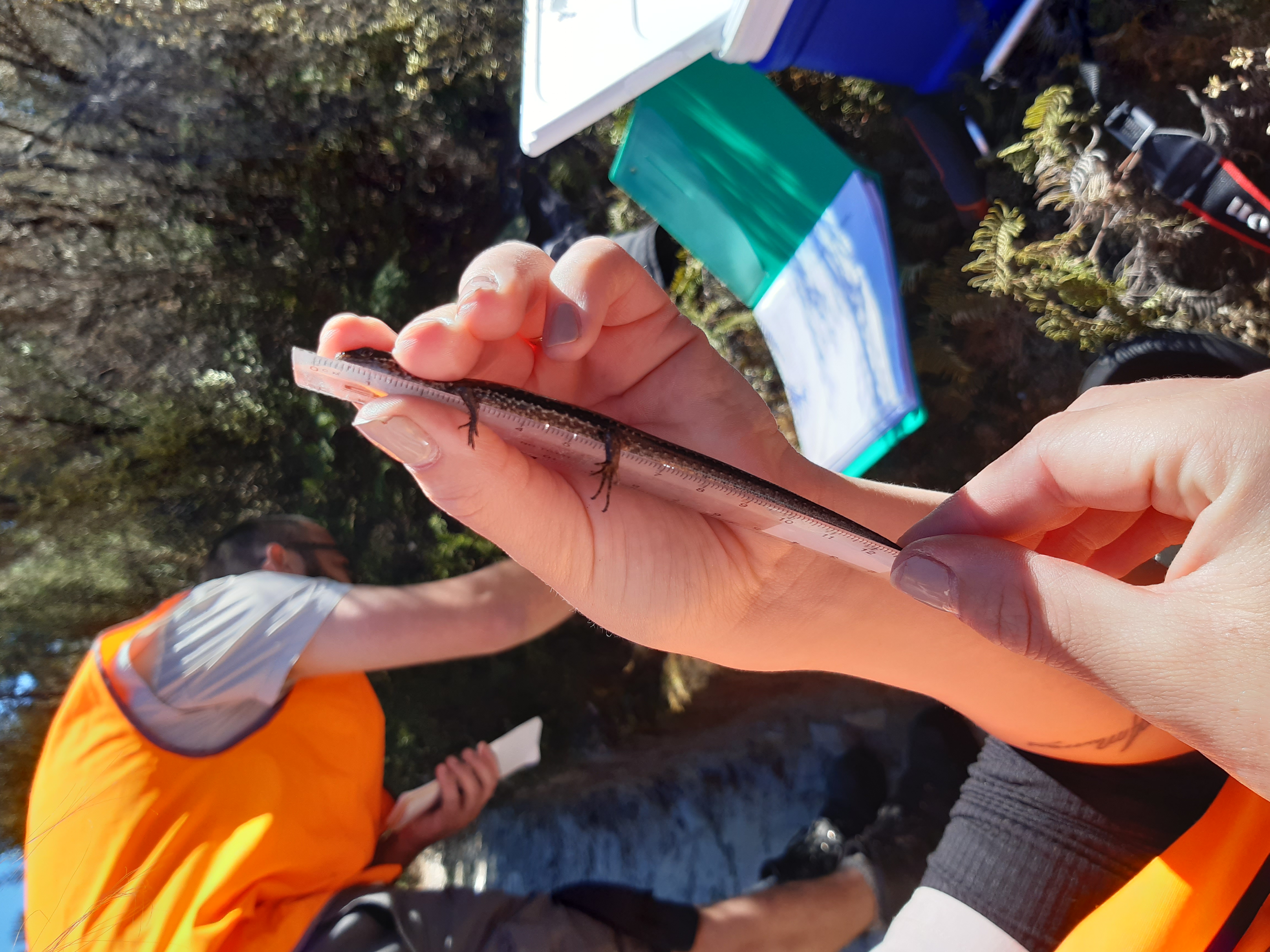
Since 2012, Auckland Zoo has developed and grown a special focus on lizard conservation in Aotearoa New Zealand, responding to chronic under attention, under-funding, and overwhelming threats to the countries 149 endemic species. Through a strategic four-pronged but complementary approach:
>$150k of financial support through our Conservation Fund, for field surveys, research and conservation interventions by partners across >20 endemic species
> 9000hrs of staff time in the field studying, surveying, releasing and monitoring lizards of >30 species
ex situ conservation breeding and research programmes for six critically endangered species at the Zoo – including effective releases of four species to date - and
proactive and prolific multi-media communications across TV, radio, online, social media and print
The Zoo has helped deliver meaningful conservation outcomes, grow scientific knowledge and attention to lizards across the conservation community, and elevate local and national awareness of and, we hope, interest in native lizards and their conservation.
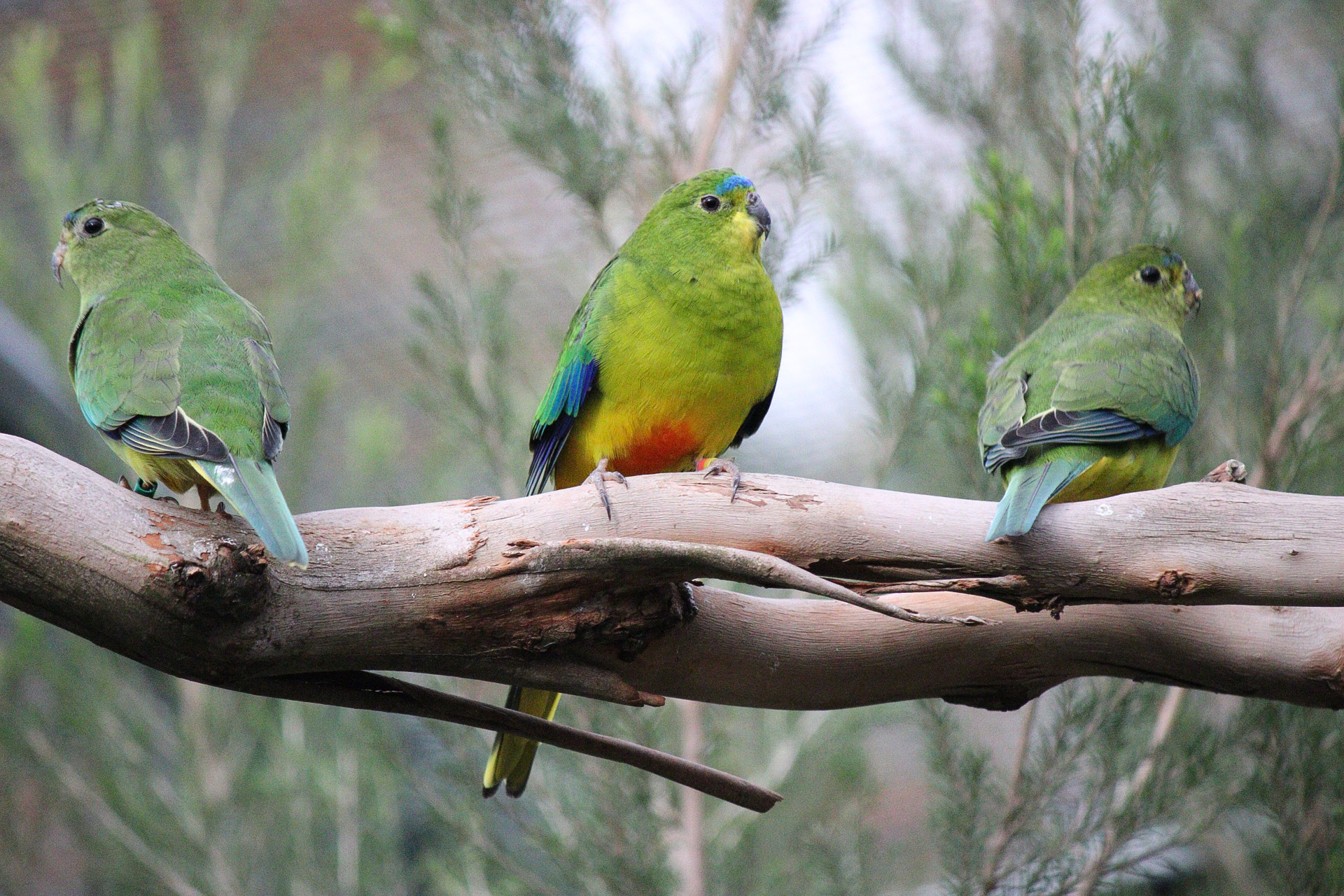
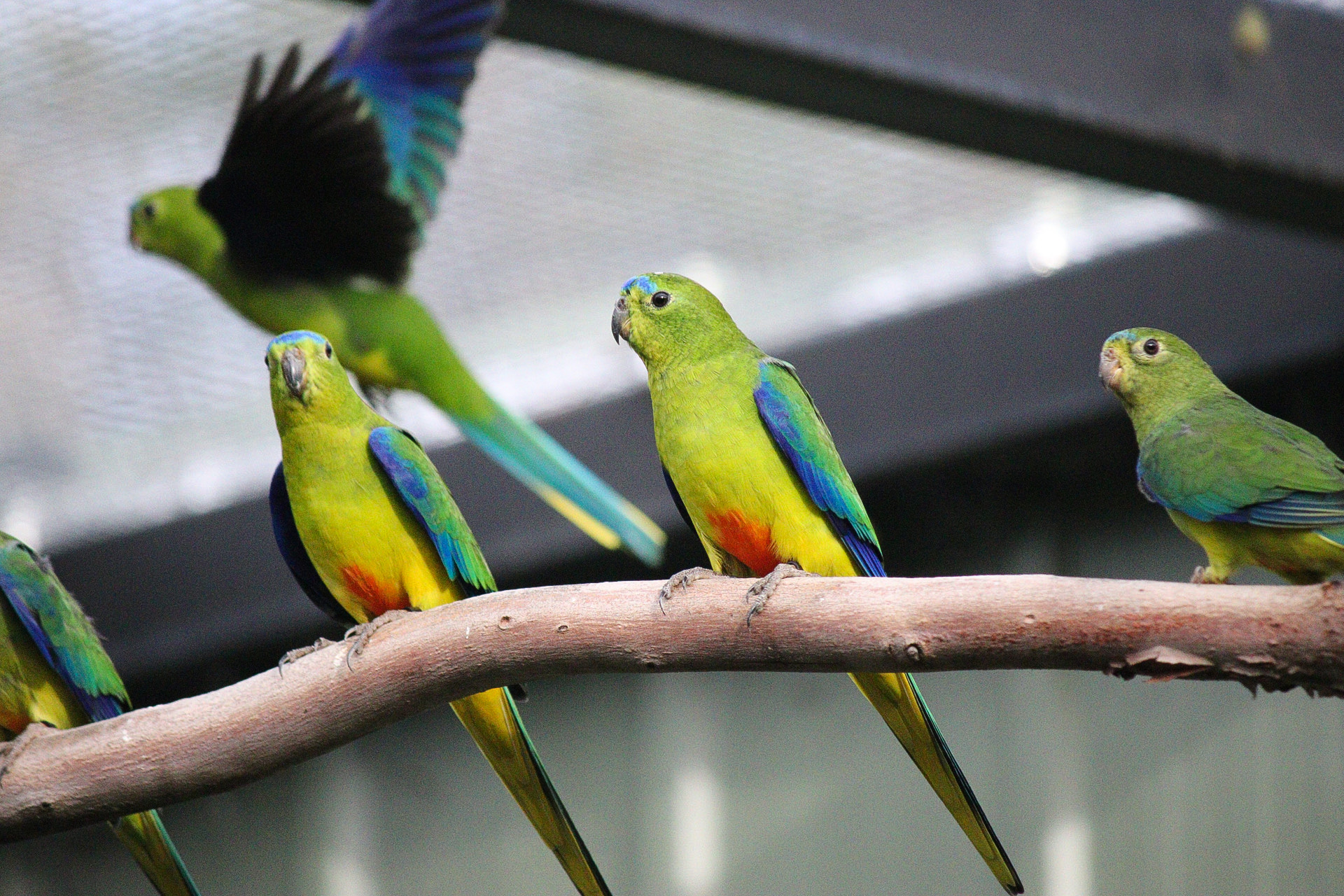
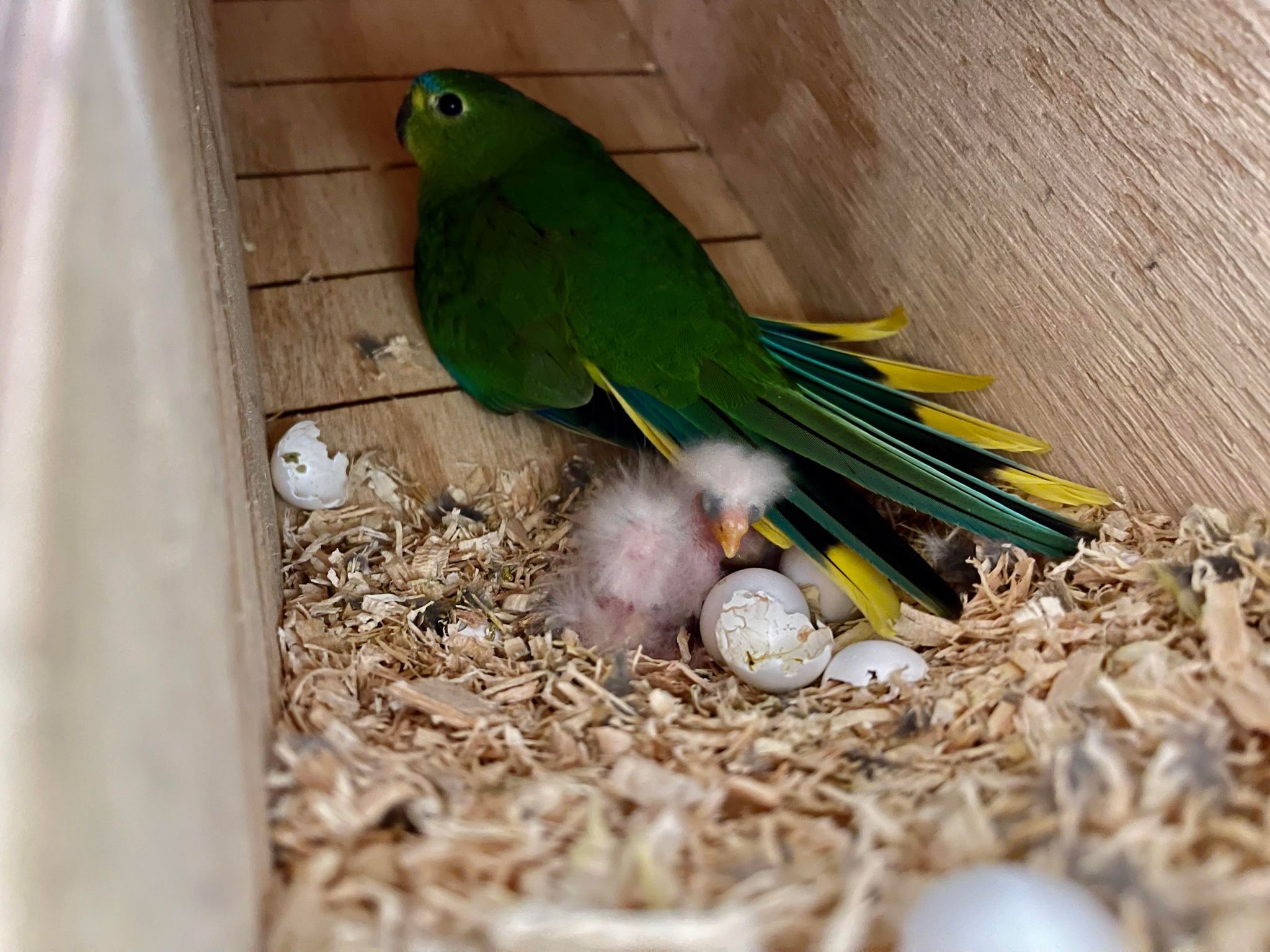
The Critically Endangered Orange-bellied Parrot declined to a low of 16 birds in the wild in 2017. Moonlit Sanctuary Wildlife Conservation Park has been breeding birds for the recovery program since 2016, breeding 442 birds to date of which 192 have been released to the wild.
In addition, Moonlit Sanctuary coordinates the national conservation breeding program, which involves maintaining the studbook and recommending birds for release and birds to be paired for breeding. Moonlit Sanctuary was also involved in the Mainland Release program, releasing birds locally on our own behalf in 2019 and 2020.
The result of our work and that of our partners in the Recovery Team has been to see numbers in the wild grow to around 90 birds currently. The greatest thrill was seeing a migrating bird on nearby saltmarsh in 2019, the first time OBP's had been seen there in over thirty years.
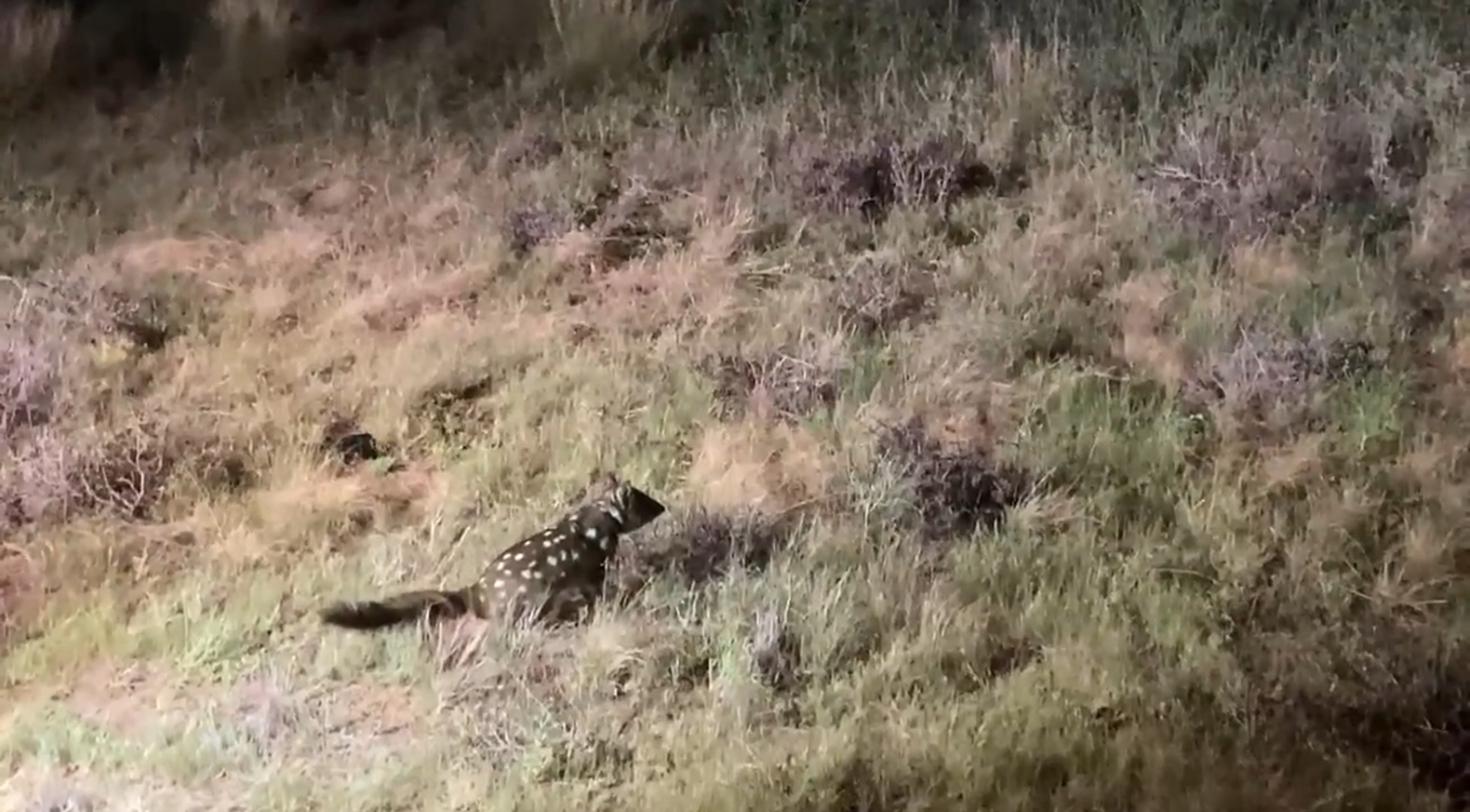
In 2022 Taronga established a Chuditch (Noongar First Nations language for Western Quoll) breed for release program in response to an identified need for a sustainable source population to facilitate conservation reintroductions across Australia. This species was once found across 70% of mainland Australia but today it's range has contracted to just 5% of former distribution.
Since establishment, Taronga has released over 100 Chuditch to support conservation reintroductions across Australia, including returning the species to NSW where they have been extinct for at least 100 years.
This project has been made possible through nationwide stakeholder support from WA, NSW and SA state government groups, the Chuditch Recovery team, Noongar and Wiradjuri First Nations representatives, partner conservation organisations (AWC) and universities (UNSW), as well as generous philanthropic support from the Kinghorn Foundation.
The Tinker Frogs are a group of small, cryptic and rarely seen frogs that live in mountain stream environments in eastern Queensland. The Kroombit Tinkerfrog is a critically endangered species restricted to a handful of narrow rainforest gullies within Kroombit Tops National Park, Central Queensland.
The Kroombit Tinkerfrog recovery program was established to prevent the extinction of this species in the wild and includes monitoring of population trends through frog searches and acoustic monitoring of calling frogs, as well as regular assessmentr of relative numbers of pest species and there impacts to habitat.
Watch this short video from, Currumbin Wildlfie Sanctuary to learn more about their recovering program
Aotearoa New Zealand is home to just three extant native frogs, the last survivors of the highly phylogenetically distinct Leiopelmatidae. Over the past decade Auckland Zoo has become the first and only institution to repeatedly breed any of these species, developing husbandry protocols for Archey’ frog and learning a great deal about the species biology along the way. The expertise and facilities used in caring for the species ex situ enabled the Zoo to undertake an important wild-zoo-wild translocation of Archey’s frogs, topping up and making genetically viable an earlier conservation translocation of this highly threatened and largely unprotected species.
Meanwhile, the much rarer and more threatened Hamilton’s frog has just two remaining natural populations on small islands, one tiny and fragile the other in mysterious decline. Recently Zoo experts advised and led the creation of additional specialist natural habitat of Hamilton’s frog on Takepourewa island as a strategy to facilitate natural dispersal and growth in this tiny population.
These stories represent just a snapshot of the work happening across the ZAA community. Together, they demonstrate how coordinated conservation action is helping secure a future for threatened species in Australia and beyond.