Reversing the red on the Christmas Island Blue-tailed Skink
Story & photos submitted by Claire Ford, Manager, Population, Development and Welfare, Taronga Conservation Society
The Christmas Island Blue-tailed skink is endemic to the Australian Territory Christmas Island. Although historically considered common it is now classified as Extinct in the Wild (IUCN RedList) primarily due to invasive species. Before disappearing from the wild in 2010, 66 individuals were collected, and an intensive breeding program was established on Christmas Island and a second facility at Taronga Conservation Society Australia in Sydney. In just over 10 years of intensive management the captive population peaked at more 1500 individuals, two predator controlled ex-closures were trialled and translocations (assisted colonisation) to two Cocos (Keeling) Islands is helping to secure the future of the species.
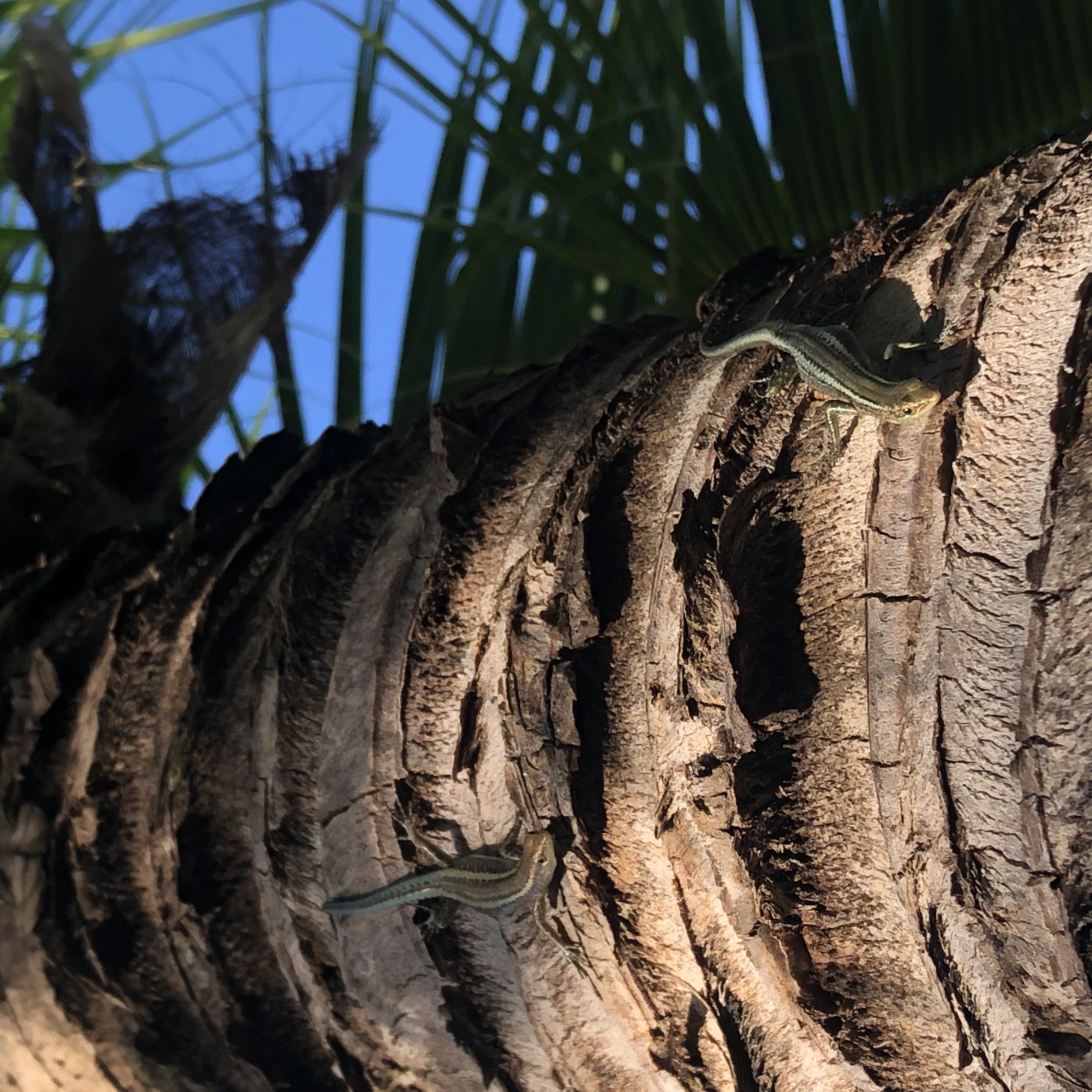
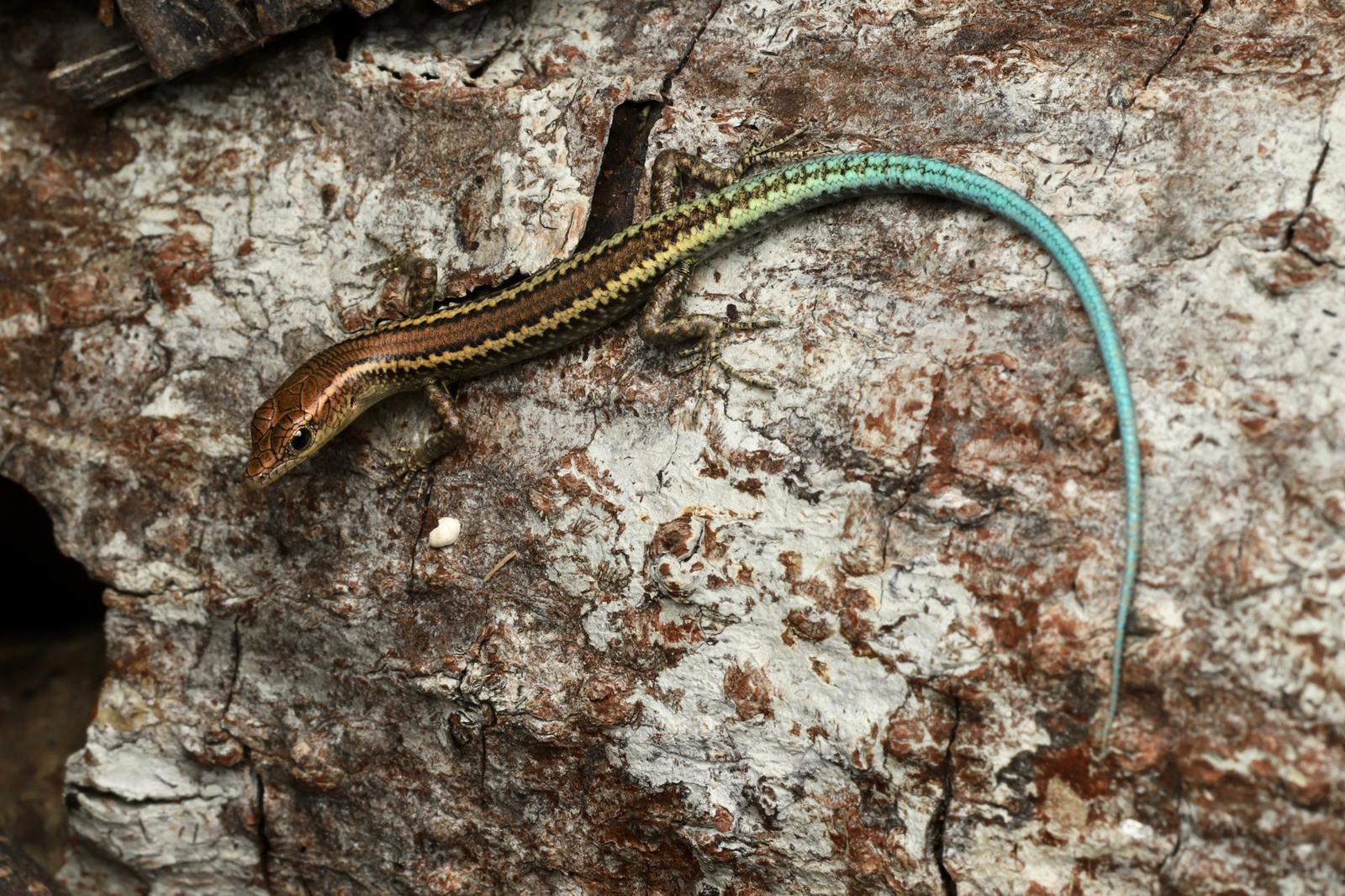
Measuring success through Assess/Plan/Act:
The Extinct in the Wild Christmas Island Blue-tailed skink declined rapidly predominantly due to invasive species. Species recovery has been active since 2009 with the establishment of intensive breeding facilities on island and at Taronga Conservation Society Australia. Since reintroduction to the wild on Christmas Island is not feasible due to ongoing threats, the species was introduced to the the Cocos (Keeling) Islands Pulu Blan and Pulu Blan Madar where the main threats are absent and the species can exist outside of captivity. The ultimate objective of the CINP Reptile Conservation Program is to conserve and restore populations of native reptile species on Christmas Island, with all extant species persisting in the wild
Assess:
Following reptile monitoring and an observed rapid decline in the wild, Parks Australia retrieved 66 Blue-tailed skinks and established a breeding program on Christmas Island, with second breeding facility was established at Taronga Conservation Society Australia.
The Christmas Island Reptile Advisory Panel was established to help guide the conservation of Christmas Island reptiles.
Expert elicitation determined predation by the invasive wolf snake as the most influential factor in Christmas Island reptile decline followed by predation by introduced giant centipedes and habitat loss. The invasive wolf snake was thought to have been introduced in the 1980s through shipping activity and the likelihood of eradicating from the island is considered low.
Plan:
The Christmas Island National Park Reptile Conservation Plan 2014-2024 explores reasons for the decline of Christmas Island’s???, describes the intensive breeding programs, and threat abatement options. It also proposes the strategies and actions needed over the next ten years to see populations of native reptile species returned to the wild.
In 2018 a Conservation Introduction Plan was developed to introduce two self-sustaining wild populations of skinks to two separate islands on the Cocos (Keeling) Island group to secure the future of the species outside captivity.
In 2023 the Conservation Planning Specialist Group (CPSG) will facilitate a workshop to develop a new conservation plan to help establish the approach and define the actions needed for the next 10 years to conserve and restore Christmas Island’s native reptile species.
Act:
- 2009/2010 66 blue-tailed skins were collected from the wild to establish intensive breeding facilities on island and at Taronga Conservation Society Australia. The breeding program is managed through rotation Maximum Avoidance of Inbreeding (MAI) strategy and molecular genetics analyses is underway to help inform future genetic management. The breeding colonies are very successful and numbers peaked at over 1500 individuals.
- 2017/ 2018 two predator controlled exclosures on Christmas Island were trialled with releases of skinks and provided valuable insights for future management.
- 2019/ 2020/2021 Releases totalling 850 skinks from the intensive breeding facilities to the Cocos Island has established populations outside of captivity on two islands.
Results:
The intensively managed breeding program has grown from 66 wild origin individuals to a stable population of around 750 individuals across the Christmas Island and Taronga Conservation Society Australia breeding facilities. 850 Blue-tailed skinks from these facilities have been translocated to two Cocos Island to establish insurance populations for the species with good population growth. Whilst threats continue to be abated on Christmas Island, two large predator controlled exclosures have been built on island. In 2022 in partnership with the Threatened Species Initiative/ Australasian Wildlife Genomics Group the genome for the blue-tailed skink was annotated. This is the first high quality skink reference genome and key functional genetic regions and sex chromosomes identified, these genetic resources will assist with future conservation planning.
Key partners / stakeholders involved:
Parks Australia, Taronga Conservation Society Australia
Community involvement:
The program works closely with the Christmas Island and Cocos Island shires and local schools which has garnered support for the program success.
Leveraging national and regional networks to facilitate success:
The Christmas Island Reptile Advisory Panel was established to help guide the conservation of Christmas Island reptiles including the intensive breeding and reintroduction program. The Panel also assisted in the development of appropriate collaborations with other research and environmental organisations.
The Christmas Island National Park and Taronga Conservation Society Australia teams worked closely with airline company Virgin Australia to undertake the challenging logistics of transferring live skinks from Sydney and Christmas Island to the two Cocos (Keeling) Islands.
More recently working with the Threatened Species Initiative has been helpful for building contemporary genetic resources and the Conservation Planning Specialist Group for population modelling and facilitation of conservation planning.
Measuring Success:
Success has been measured in terms of population growth, 66 individuals were collected from the wild before the species was considered Extinct in the Wild. The population is now several thousand individuals across intensive breeding facilities, predator controlled exclosures and island insurance populations. The intensive breeding program success has been reflected in development of husbandry expertise to sustain viable captive populations. Success is also represented by two populations established outside of captivity on the Cocos (Keeling) Islands with ongoing monitoring.
Future plans for intervention:
In 2023 a CPSG Conservation Planning workshop will guide the future direction of the program for the next 10 years including ongoing insurance populations on the Cocos (Keeling) Islands and determining program triggers for repatriation to the wild sites on Christmas Island. The incorporation of genomics and molecular genetics will help inform future metapopulation genetic management of the species.